-By;
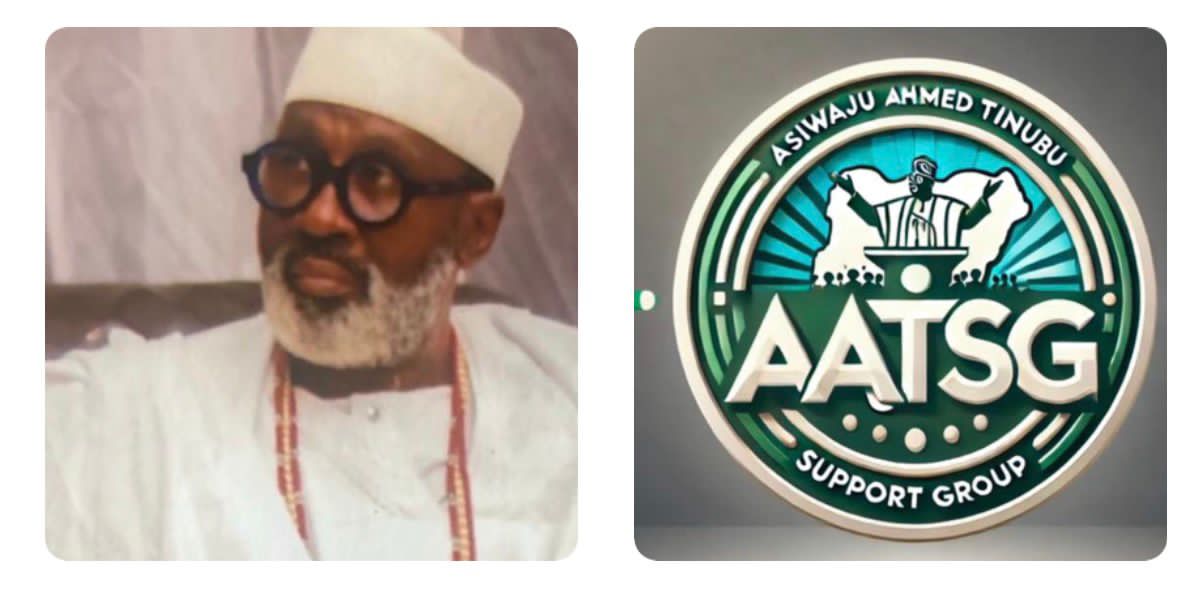
Otunba (Dr) Abdulfalil Abayomi Odunowo
Our National Anthem
Oh, brothers and sisters… hear me now. The winds of change have swept through the corridors of power, and on this day November 20, 2025 we stand at the threshold of something sacred, something that tugs at the very strings of our collective soul. Nigeria, our beloved Giant of Africa, has turned the page. We have reclaimed our voice. We have returned to the anthem that first whispered freedom into our independence: Nigeria, We Hail Thee.
Feel it. Let it sink into your bones like the first rain after a long harmattan. This is not just a melody dusted off from the archives of 1960. It is a resurrection. A homecoming. After forty-six years of marching to the urgent drumbeat of Arise, O Compatriots a song born in the shadow of military boots, urging us to labor and fight we now embrace the gentle, unbreakable embrace of our original vow. Signed into law by President Bola Tinubu on May 29, 2024, this anthem is no relic. It is a revival. A tear-streaked letter from our forefathers, saying, “We never forgot you. Now, remember yourselves.”

Nigeria, we hail thee…
Do you hear the hush in those words? The quiet thunder of a nation pausing to honor what it was born to be? Not a call to arms, but a call to kinship. “Our own dear native land, / Though tribe and tongue may differ, / In brotherhood, we stand.” Oh, how those lines ache with truth. In a land stitched together from over 250 ethnic tapestries, where Hausa rhythms pulse alongside Igbo proverbs and Yoruba incantations, this anthem doesn’t demand sameness. It celebrates the beautiful chaos. It weeps for the divisions we’ve nursed like open wounds Biafra’s ghosts, herdsmen’s cries, election-night betrayals and begs us, with a voice soft as a mother’s lullaby, to choose family instead.
I close my eyes and see it: school children in tattered uniforms in Kano, their small fists over hearts, singing of a “sovereign Motherland” that finally feels like home. Widows in the Niger Delta markets, voices cracking as they lift “Nigerians all, hailing our sunrise of joy,” remembering husbands lost to spills and silence. Elders in Enugu, eyes glistening, tracing the flag’s green-white-green like a scar turned to strength green for the earth that birthed us, white for the peace we’ve bartered too cheaply, green again for the promise of abundance if only we hold fast.
And the second verse? “O God of all creation, / Grant this our one request: / Help us to build a nation / Where no man is oppressed.” It’s a prayer on its knees. A guttural plea from the Chibok mothers who still wait, from the EndSARS youth whose blood painted our streets with questions, from every Lagos hustler grinding under the weight of “hustle harder” while the powerful feast. This anthem doesn’t just ask for bricks and ballots. It demands a Nigeria where a boy’s dream in Maiduguri isn’t crushed by bombs, where a girl’s laughter in Makurdi isn’t stolen by floods, where justice isn’t a lottery ticket for the elite.
Yet… ah, the heart twists, doesn’t it? Not everyone raises their voice in harmony. Critics fierce souls like Oby Ezekwesili and Aisha Yesufu call out the shadows: words like “tribes” that sting with colonial echoes, a composer and lyricist who weren’t born of our soil. They cling to Arise like a shield, fearing this return romanticizes a past too fragile for our fractured now. And I feel their fire. It mirrors my own doubts in the midnight hours have we truly healed enough to hail without hypocrisy? Is this unity a genuine dawn, or just another politician’s spotlight on nostalgia?
But listen… deeper. This change isn’t about perfection. It’s about possibility. In a world that mocks Africa’s giants, where our youth flee like birds from a burning nest, Nigeria, We Hail Thee is a defiant whisper: We are still here. We are still worthy. It strips away the militaristic march and offers a hymn of healing a reminder that our power isn’t in how loudly we roar, but in how tenderly we hold each other’s hands. President Tinubu called it a symbol of our diversity; lawmakers hailed it as a bridge to “national values, ethics, and norms.” And in the quiet after the signing, as the National Assembly’s echoes faded, one truth lingered: Anthems don’t build nations. We do. But they can light the fire.
So today, on this crisp November morning, let us sing it not as rote, not as ritual, but as reckoning. Let it break us open. Let it mend us whole. Stand in your compounds, your classrooms, your crowded danfos, and hail her. Hail the girl in Epe who codes her way out of poverty. Hail the farmer in Oyo whose yams feed forgotten villages. Hail the artist in Abuja whose canvas screams what words cannot. Hail the you in the mirror, weary but unbowed, who dares to believe.
Nigeria, we hail thee.
With throats raw from too many silences.
With hearts heavy from too many losses.
With hope, fierce and foolish, that refuses to die.
This is our anthem now. Not a song of the past, but a summons to the future. A covenant etched not in ink, but in the sweat of our striving. We hail thee not because you are flawless, but because you are ours. Flawed, fierce, and forever rising.
Arise? No. We already have. Now, let us hail. Let us heal. Let us become the brotherhood we were promised.
Signed:
Otunba (Dr.) Abdulfalil Abayomi Odunowo, D.Sc (h.c)
National Chairman
Asiwaju Ahmed Tinubu Support Group (AATSG)
Date: Thursday , 20th November, 2025
Email: nchairman@aatsg.org.ng
Phone: +234 905 353 5322
Website: www.aatsg.org.ng
As we look to the future, let’s embrace the important role our choices play in shaping the destiny of our nation. Together, let’s commit to the path of active and positive citizenship!
Together.
Unbroken.
Unstoppable.