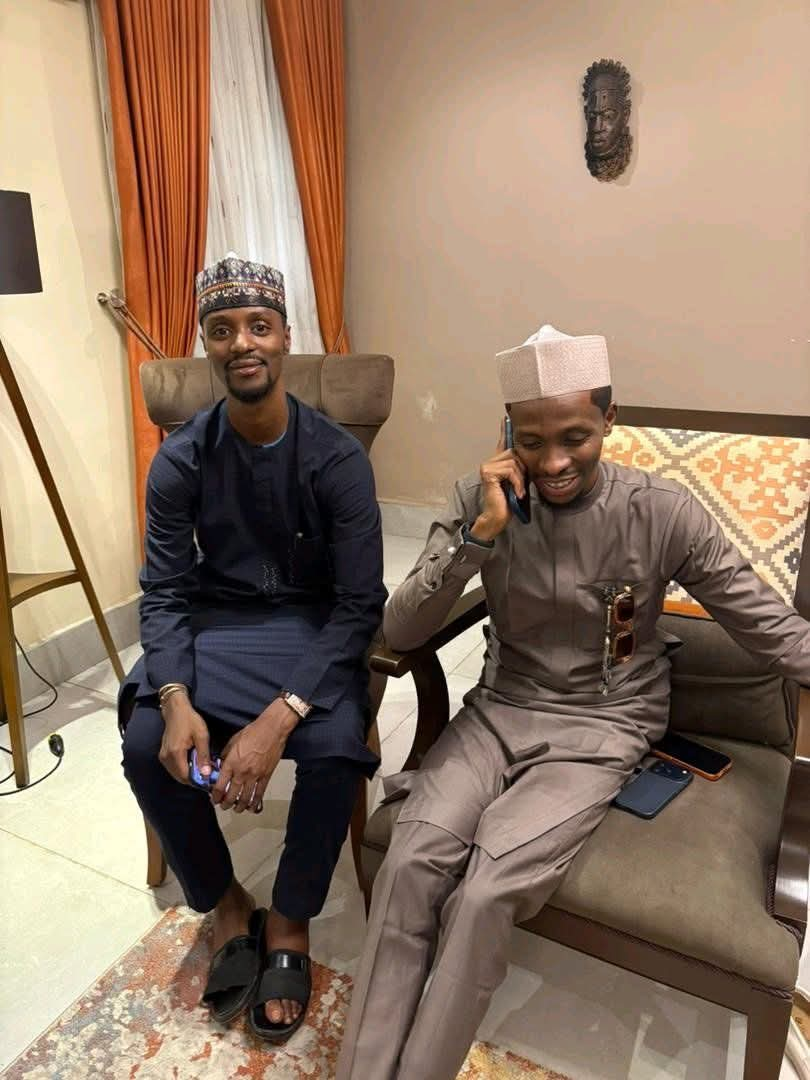
Bashir El-Rufai Defends Buhari, Takes Swipe at Current Leadership in Viral Post
Bashir El-Rufai has weighed in on Nigeria’s political discourse with a pointed comparison between former President Muhammadu Buhari and the current leadership.
In a post shared on his X handle on April 17, 2026, Bashir El-Rufai defended Buhari’s leadership style, describing the late president as confident and unafraid of opposition during his time in office. He stated that Buhari “was never scared nor insecure” and did not attempt to suppress dissenting voices, adding that the former leader believed in the work of his administration, regardless of public opinion.
El-Rufai contrasted this with what he implied to be a different approach by the current government, though he did not mention specific individuals. His remarks ended with a brief but sharp critique, suggesting what he described as an “irony” in the present political climate.
The comment comes amid heightened political exchanges in Nigeria, where public figures and commentators have increasingly taken to social media to express their views on governance, opposition, and leadership styles. Discussions around the legacy of Buhari’s administration and comparisons with the current government have become more prominent, particularly as economic and security challenges continue to dominate national conversations.

While supporters of the former president often highlight his anti-corruption stance and efforts to stabilise the country, critics have pointed to economic difficulties and security concerns that persisted during his tenure. Bashir El-Rufai’s remarks reflect a continuing debate over how past and present administrations are perceived by different segments of the public.
Political analysts say such statements, though brief, can resonate widely, especially in a climate where citizens are increasingly vocal about governance issues. Social media platforms, in particular, have become central spaces for shaping narratives and influencing public opinion.
As reactions continue to trail the post, it underscores the enduring relevance of Buhari’s legacy in Nigeria’s political landscape and the ongoing scrutiny faced by current leaders.