If You’re Not Paying Subsidy, Why Are We Still Borrowing — Sanusi Questions Economic Policies
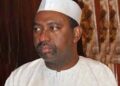
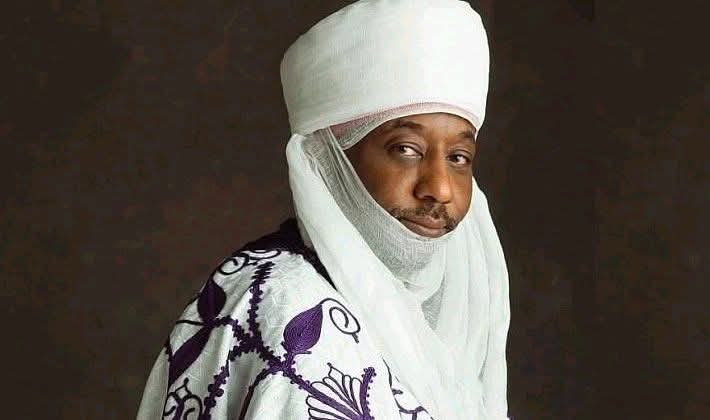
Former Emir of Kano and ex-Governor of the Central Bank of Nigeria, Lamido Sanusi, has raised fresh concerns over Nigeria’s fiscal management, questioning the federal government’s continued reliance on borrowing despite the removal of fuel subsidy.
Sanusi made the remarks while reviewing the country’s current economic policies, particularly the government’s borrowing plans and ongoing reforms in the oil and financial sectors. His comments were shared in a post attributed to The Cable’s official X account.
The former apex bank governor questioned the rationale behind continued borrowing at a time when the government claims to have eliminated fuel subsidy payments. According to him, the removal of subsidy was expected to free up significant public funds, which should reduce the need for external and domestic loans.
“If you’re not paying subsidy and you’ve got the money, why are we still borrowing?” he asked, expressing concern over what he described as inconsistencies in fiscal planning and expenditure management.

Sanusi suggested that the benefits expected from subsidy removal may not be fully reflected in the government’s current financial strategy. He argued that if savings from subsidy removal are properly managed, Nigeria should ideally experience reduced pressure on public debt accumulation.
He also stressed the importance of fiscal discipline, warning that continued borrowing despite reduced subsidy obligations could undermine the credibility of economic reforms. According to him, reforms such as subsidy removal and exchange rate adjustments are designed to improve efficiency and strengthen public finances, but their impact depends heavily on how government revenue is managed.
The former CBN governor has consistently been vocal about economic policy in Nigeria, often emphasizing the need for transparency, accountability, and prudent spending. His latest comments add to ongoing national debates about debt sustainability, inflation, and the effectiveness of recent economic reforms.
Sanusi’s remarks come at a time when Nigeria continues to grapple with rising public debt and pressure on government revenues, even after implementing major policy shifts aimed at stabilizing the economy.