Justice Minister Faults Centralised Contract Payments, Warns of Systemic Delays in Nigeria’s Capital Projects
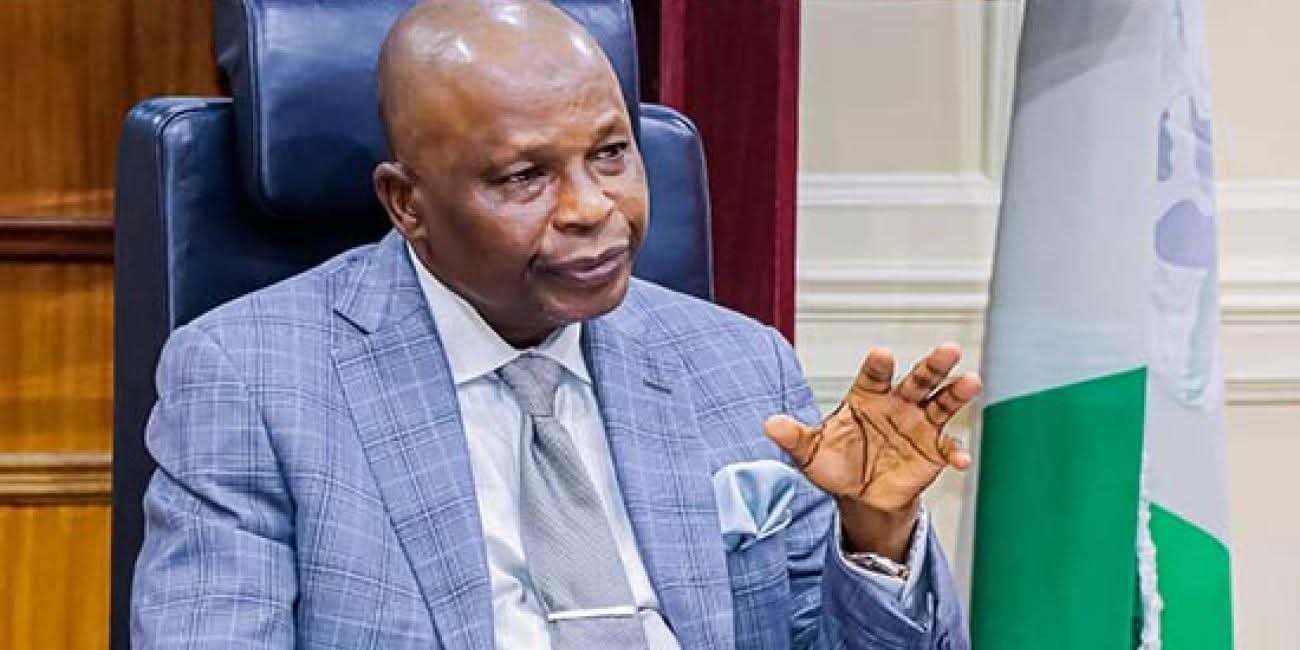
Nigeria’s Attorney-General and Minister of Justice, Lateef Fagbemi, SAN, has publicly criticised the Federal Government’s centralised contract payment system, stating that it has significantly disrupted the execution of capital projects across Ministries, Departments and Agencies.
Fagbemi made the remarks while appearing before the Senate Committee on Judiciary during the defence of the Ministry of Justice’s 2026 budget estimates, according to a report by SaharaReporters citing The Whistler.
Under the current framework, capital project payments are processed centrally through the Federal Ministry of Finance, rather than being disbursed directly to MDAs that awarded and certified the completion of projects. The arrangement was introduced by the Federal Government several years ago as part of broader public finance controls.

However, Fagbemi told lawmakers that the system has created operational bottlenecks, arguing that the former process—where funds were released directly to MDAs—was more efficient. “The old system is better because you don’t need to know anybody before your allocation is released,” he said, describing the current structure as “fraught with so many difficulties.”
He disclosed that the Ministry of Justice received no cash-backed release from the capital component of its 2025 budget, despite a reported allocation of ₦869 million. According to the minister, the absence of cash backing prevented the execution of approved projects, contributing to delays across the justice sector.
The Chairman of the committee, Adeniyi Adegbonmire, expressed concern over the situation and aligned with calls for a review of the payment structure. He warned that prolonged delays in funding the justice sector could place the system under strain, noting its central role in Nigeria’s social and legal framework.
The concerns come amid wider complaints from MDAs over capital releases. Earlier in February, the Minister of Health, Ali Pate, told the House Committee on Healthcare Services that his ministry received only ₦36 million out of the ₦218 billion appropriated for its 2025 capital budget, attributing the shortfall partly to delays linked to cash planning procedures.
In response to growing criticism, the Presidency announced that payments for outstanding 2024 capital projects had commenced. The Special Adviser to the President on Public Communications and Orientation, Sunday Dare, said the government was also accelerating implementation of the capital components of the 2024 and 2025 budgets, with a completion target set for on or before March 31, 2026.
Dare added that MDAs had been directed to submit updated cash plans to streamline disbursements and prevent further delays, stating that payment processing would begin immediately after submission.
The disclosures have intensified scrutiny of Nigeria’s public finance management system, particularly as contractors, development partners, and sector stakeholders continue to raise concerns over stalled projects and delayed payments nationwide.