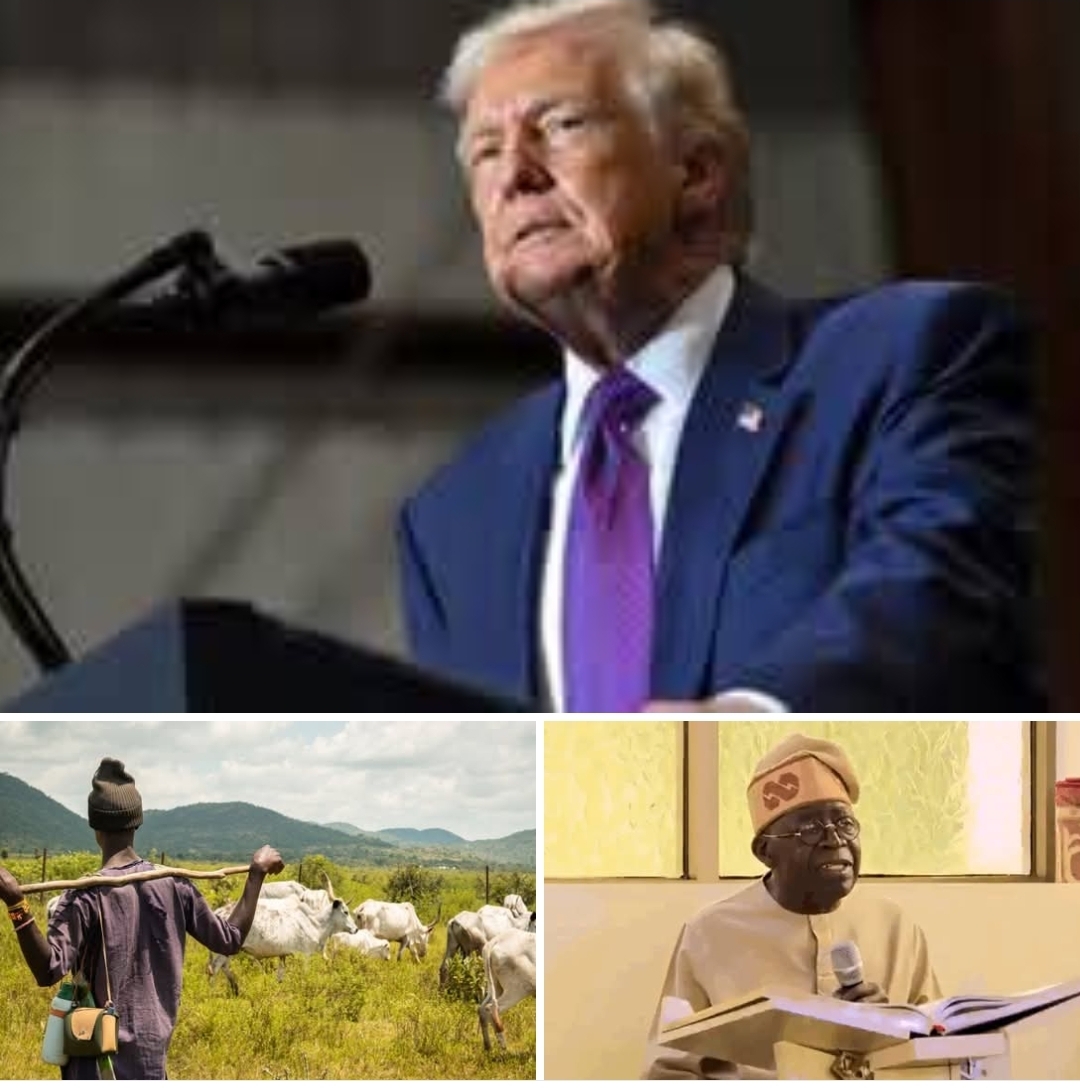
US Lawmakers Float Cattle Trade Restrictions on Nigeria as Pressure Mounts Over Insecurity Claims
The United States is considering trade-related measures that could affect Nigeria’s cattle and beef sector, following a congressional report recommending economic pressure as part of a broader response to prolonged insecurity in parts of the country.
The recommendation, originating from members of the United States Congress, proposes restricting Nigerian beef and cattle-related exports to selected African markets. The stated objective is to disrupt financial networks allegedly connected to armed groups operating in Nigeria’s Middle Belt.
The proposal is contained in a report titled Ending the Persecution of Christians in Nigeria, compiled after congressional reviews of repeated att@cks and communal violence in central Nigeria. The document urges Washington to apply “points of leverage,” including trade tools, to pressure non-state armed actors to disarm and to compel stronger enforcement actions by Nigerian authorities.
According to the report, suggested export restrictions would target regional markets such as Côte d’Ivoire, Ghana, Senegal, and South Africa. Lawmakers frame the measure as narrowly focused on financial flows linked to pastoral networks accused of sustaining instability, rather than as a blanket sanction against Nigeria’s economy.

Nigeria has faced overlapping security challenges for more than a decade, including insurgency in the northeast, banditry in the northwest, and recurring farmer–herder clashes in the Middle Belt. States such as Benue, Plateau, and Kaduna have recorded repeated episodes of violence linked to disputes over land use, grazing routes, and access to resources. These incidents have led to widespread displacement and destruction of livelihoods.
While Nigerian authorities have consistently described the situation as complex and multi-layered, US lawmakers argue that enforcement gaps, limited prosecutions, and weak deterrence have allowed the crisis to persist.
Trade data suggest that Nigeria’s exposure to a potential beef export restriction may be limited in the short term. Figures from the United Nations COMTRADE show that Nigeria’s total exports of meat and edible meat offal were valued at just over $200,000 in 2021. Additional data from the World Integrated Trade Solution indicate that frozen boneless beef exports that year amounted to roughly 44.5 tonnes, worth about $33,000.
Despite these modest figures, Nigerian officials have previously stated that the livestock sector holds significant untapped export potential, making the proposal symbolically significant even if immediate trade losses remain small.
The report reflects growing frustration in Washington with Nigeria’s security outcomes. Although the US has long cooperated with Nigeria against extremist groups such as Boko Haram and Islamic State West Africa Province, the new recommendations introduce an explicit economic dimension to bilateral engagement.
Beyond trade measures, lawmakers are urging the White House to pursue a bilateral framework focused on protecting vulnerable communities, countering jihadist activity, and strengthening accountability mechanisms. The report also calls for tighter conditions on certain categories of US assistance, targeted sanctions against individuals accused of involvement in religious violence, visa restrictions, and renewed scrutiny of Sharia-based criminal and anti-blasphemy laws.
These proposals align with a broader foreign policy approach associated with Donald Trump, emphasizing conditional engagement and the use of economic leverage to influence partner governments.
Analysts caution that while the proposed cattle trade restrictions are framed as targeted, they could have unintended regional effects, given Nigeria’s role in West Africa’s informal livestock supply chains. Critics also warn that legitimate pastoral communities may bear the brunt of any restrictions, while armed cr!m!n@ls operating outside formal markets remain less affected.
The proposal underscores how Nigeria’s internal security challenges are increasingly intersecting with its international economic and diplomatic relationships, raising questions about effectiveness, fairness, and long-term impact.