In The Past When Someone Says Assalamu Alaikum, You Wouldn’t Think Twice Before Rendering Help-Usman
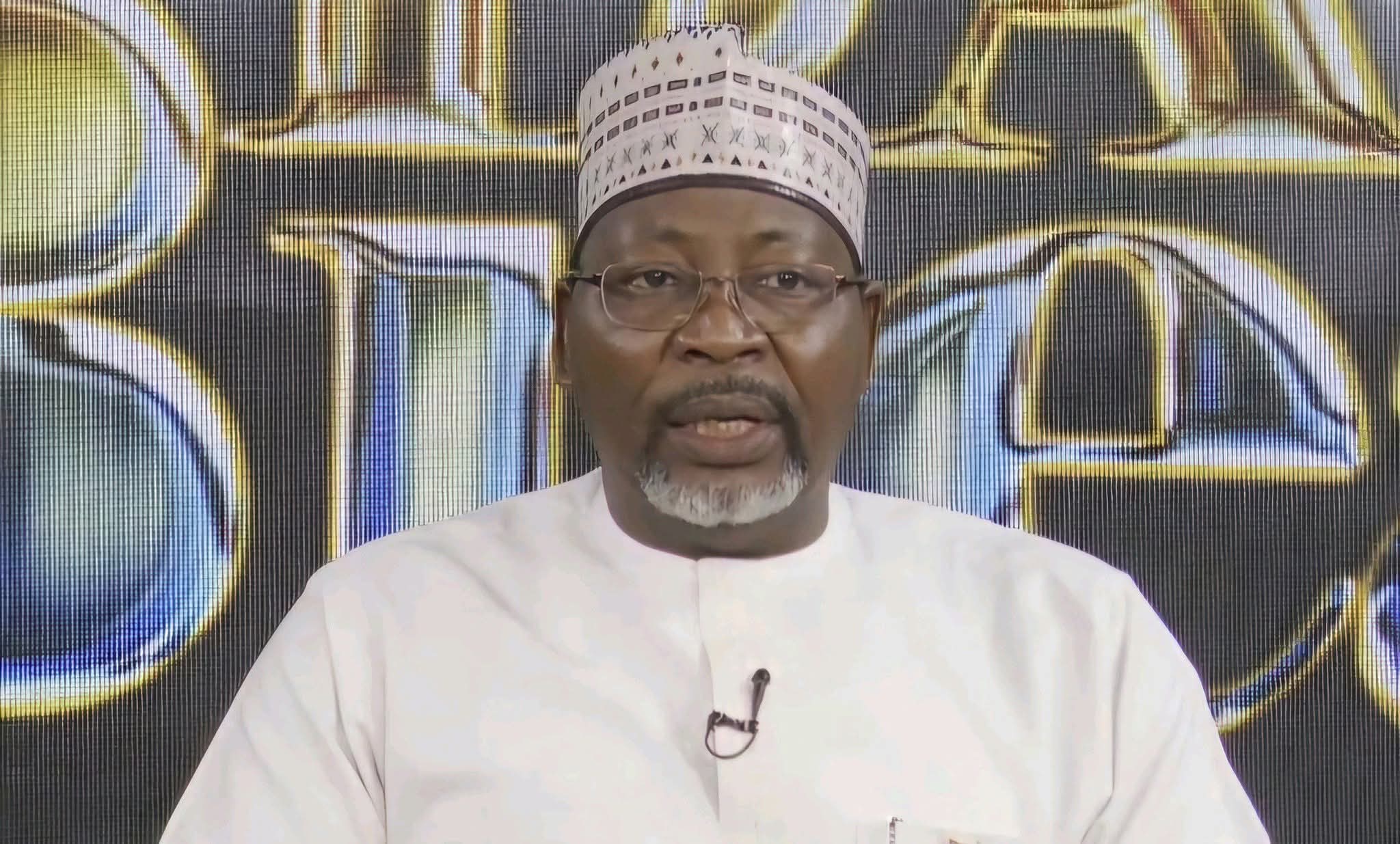
According to Kukasheka Usman, the impact of the Boko Haram insurgency extends far beyond direct physical attacks, leaving enduring psychological and social consequences across Nigeria. In an interview with Daily Trust, the retired Brigadier General explained that the effects of the conflict are widespread, affecting even individuals who were not physically exposed to violence.
Usman noted that the insurgency has significantly reshaped social relationships, particularly within communities that once relied on trust and mutual support. He explained that fear and suspicion have gradually replaced the openness that previously defined everyday interactions. These changes, he said, represent invisible scars that continue to influence how Nigerians relate to one another.
He stated, “I believe every Nigerian is a victim of the Boko Haram insurgency. It may not be in the form of physical attacks, but there are invisible scars. Particularly as Muslims, your relationship with a fellow Muslim has changed completely. Unlike in the past, when someone says ‘Assalamu Alaikum,’ you would not think twice; you would not even look at the person before rendering help. But now there are invisible scars, there is mutual suspicion among the components of society, apart from the physical aspect of it.”
In addition to the psychological toll, Usman highlighted the widespread physical destruction caused during the height of the insurgency. He recalled that several major towns in Borno State, including Dikwa, Gwoza, and Bama, were heavily looted and devastated between 2014 and 2015. According to him, these communities were stripped of valuable infrastructure and essential resources, leaving long-term challenges for recovery.

Usman’s remarks underline that the consequences of the insurgency are both visible and invisible, stressing that national recovery must address not only physical rebuilding but also the deeper issues of trust and emotional healing within society.