EXCLUSIVE: Inside the Power Struggle That Shaped Nigeria’s Acting IGP Appointment
A fresh power contest within Nigeria’s ruling elite has followed the exit of former Inspector-General of Police Kayode Egbetokun, with competing accounts emerging over how his successor was chosen and who influenced the final decision.
According to an exclusive report by SaharaReporters, sources close to the Presidency allege that influential figures from Lagos — often described as a powerful political caucus — sidelined former All Progressives Congress national chairman Bisi Akande during the succession process.

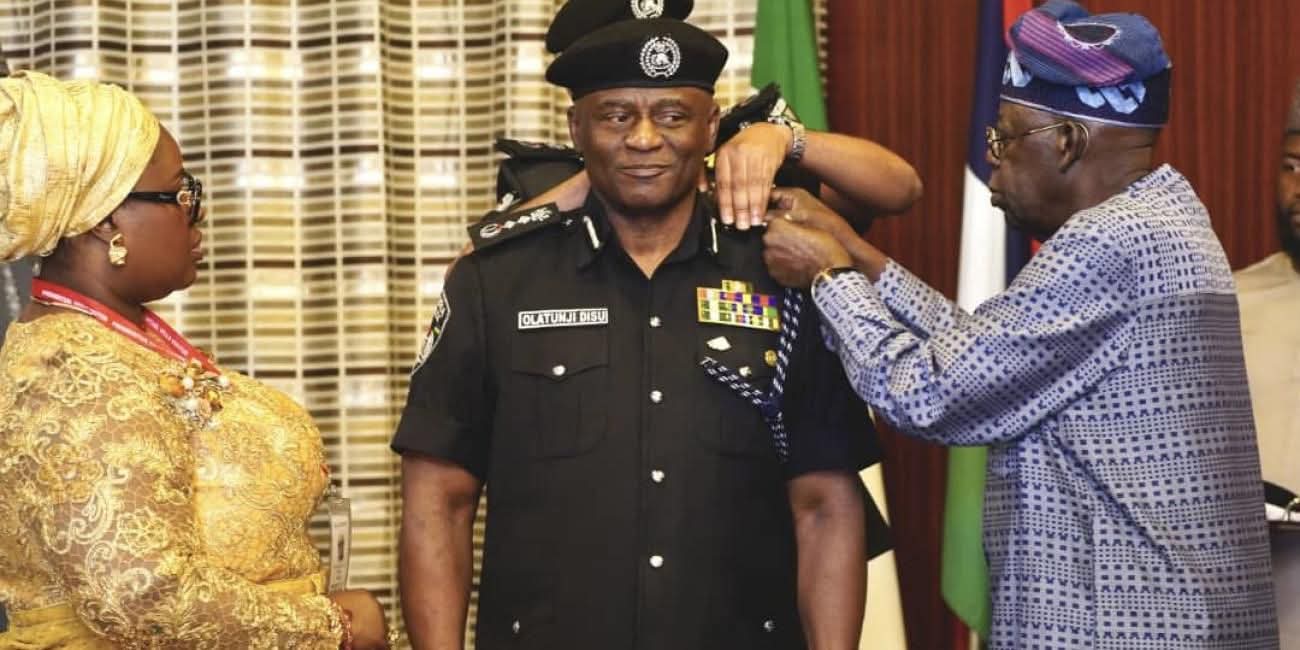
The sources claim that Akande supported Deputy Inspector-General Mustapha Adegoke Fayoade for the top police position, but that his preference was rejected by the Lagos bloc. Instead, they allegedly pressed President Bola Tinubu to appoint Assistant Inspector-General Tunji Disu as Acting IGP.
A source told SaharaReporters that Disu’s long-standing ties to Lagos political leadership, including past service as an aide to Asiwaju Bola Ahmed Tinubu during his time as Lagos governor, were presented as a decisive factor. By contrast, Fayoade’s professional association with Akande was reportedly framed as a political liability.
The report further alleges that Hakeem Muri-Okunola, Principal Secretary to the President, played a behind-the-scenes role in advancing Disu’s candidacy, without the knowledge of First Lady Oluremi Tinubu, who was said to have previously influenced Egbetokun’s appointment.
Another source claimed that senior figures within the President’s inner circle, including Chief of Staff Femi Gbajabiamila, viewed Akande as overly rigid on protocol, a perception that allegedly weakened his standing during the negotiations.
SaharaReporters’ sources also asserted that President Tinubu initially resisted Disu’s nomination, citing concerns about public backlash and the fact that Disu is reportedly due for retirement within months. “He said he doesn’t want more pressure from Nigerians,” one source claimed, adding that the President warned that public opinion and upcoming elections could amplify any perception of injustice.
Despite this resistance, the report alleges that sustained pressure from Lagos-aligned stakeholders eventually prevailed. Disu’s name was said to have been forwarded to the Department of State Services for clearance following what was described as intense lobbying.
The report also recounts claims surrounding Egbetokun’s final hours in office, alleging that he visited the Presidential Villa in the early hours of the morning in a last-minute attempt to retain his position. One source claimed that the President rejected his explanations and instructed security officials to escort him out of Aso Rock.
Additional allegations suggest that Egbetokun recommended Disu as his successor to safeguard his interests ahead of potential post-tenure audits, including scrutiny by the Economic and Financial Crimes Commission. These claims have not been independently verified.
Neither the Presidency, the Nigeria Police Force, nor the individuals named in the report have publicly responded to the allegations at the time of publication. As with similar power-transition stories in Nigeria’s security architecture, the absence of official clarification has fueled speculation and heightened public interest.
The unfolding controversy underscores enduring questions about transparency, regional influence, and political loyalty in top security appointments — issues with significant implications for public trust and institutional stability.